How Much Does a Commercial Roof Cost in St. Louis? Your 2027 Roofing Budget Guide
It's October, which means budget season. Somewhere between reviewing HVAC contracts and parking lot resurfacing quotes, most St. Louis property managers and facilities directors have to answer a harder question: what is the roof going to cost us next year?
Guess low, and an emergency repair blows through the operating budget in February. Guess high, or leave the roof out entirely, and a needed replacement gets pushed another year while the damage gets worse. Below, we explain what drives commercial roofing costs in the St. Louis area and how to build a 2027 roof budget you can defend to ownership.
Quick answer: Most commercial single-ply roof replacements (TPO or EPDM) in the St. Louis area run roughly $6 to $20 per square foot installed (subject to change & NOT OUR PRICING), and metal systems cost more. A complete roof budget has three parts: annual maintenance, a repair contingency, and a capital reserve for replacement based on how many years of life your roof has left.
Why Your Roof Belongs in the 2027 Budget Now
A commercial roof replacement is usually a five- or six-figure capital expense, and few line items are easier to defer. The trouble is that roofs don't fail on a budget calendar. A roof that gets no planning ends up managed by emergencies, and emergency work almost always costs more than planned work: after-hours labor, interior damage, lost tenant goodwill, and less leverage on price and scheduling.
Planning in the fall gives you the opposite: time to inspect, get comparable bids, line up funding, and book a contractor before the spring schedule fills.
What Drives the Price of a Commercial Roof
Two buildings with the same square footage can get very different quotes. These are the factors that move the number most:
- Roof size and complexity. Larger, simpler roofs usually cost less per square foot. Multiple levels, parapet walls, and odd shapes add labor.
- Tear-off vs. recover. Removing the old roof adds labor and disposal costs. A recover can save money, but only if the existing roof is dry and the building doesn't already have the maximum number of roof layers allowed by code.
- Insulation and code requirements. A full replacement may trigger energy code requirements for added insulation, which raises upfront cost but can lower heating and cooling bills.
- Rooftop equipment and penetrations. Every HVAC unit, vent, and curb needs proper flashing. Buildings with a lot of equipment cost more to roof well.
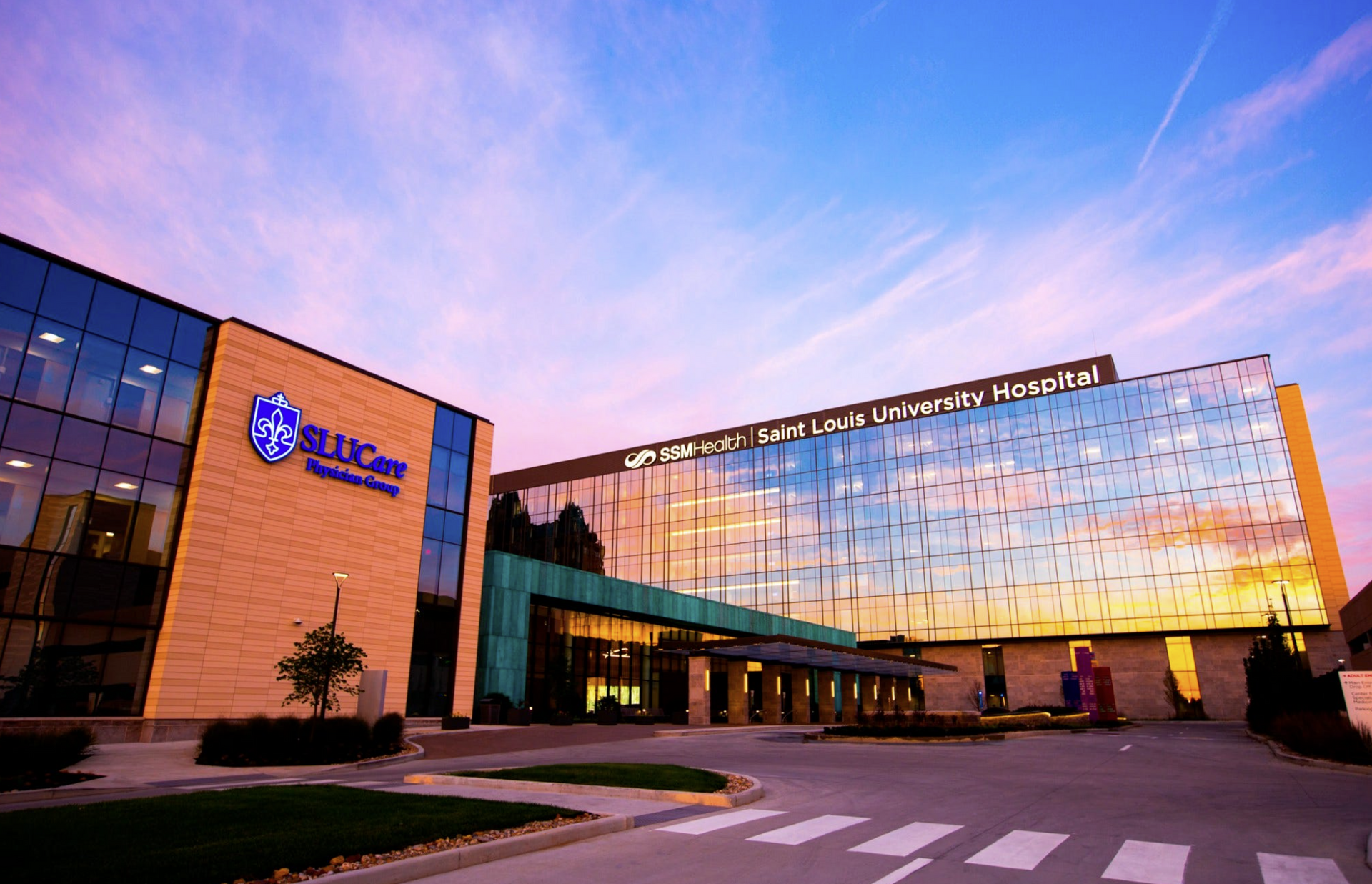
- Access and occupancy. Crane access, tight urban lots, and buildings that can't shut down all affect scheduling and cost. (See what it takes to roof a hospital that never closes.)
- Warranty length. Longer manufacturer warranties typically require heavier-duty materials and inspections, which add cost but protect the investment.
Build Your 2027 Roof Budget in Three Buckets
The most reliable roof budgets split costs into three separate lines. Each one protects the others.
1. Maintenance (operating budget)
This is the line that makes the other two smaller. A commercial roof maintenance agreement typically covers spring and fall inspections, drain clearing, and minor repairs before they turn into leaks. It also creates the documentation most manufacturer warranties require. Ask your roofer to price it by square footage so it becomes a fixed, predictable number.
2. Repair contingency (operating budget)
Even well-maintained roofs take hits. St. Louis hail, wind, and freeze-thaw cycles cause damage no one can schedule. Set aside a contingency for emergency leak repairs and storm damage so one bad storm doesn't derail the year.
3. Capital reserve (capital budget)
This is where you plan for replacement. Start with an honest estimate of how many years your roof has left, then divide the expected replacement cost across those years. If an inspection shows the roof has two or three years left, 2027 is the year to start setting money aside, not the year to be surprised.
How to Estimate Your Roof's Remaining Life
Well-maintained TPO and EPDM roofs commonly last about 20 to 30 years. Age alone doesn't tell the whole story, though.
The best way to plan is a professional inspection that documents:
- Membrane condition, including cracking, shrinkage, blistering, and open seams
- Wet insulation or soft spots that indicate trapped moisture
- Flashing condition at walls, edges, and rooftop equipment
- Ponding water and drainage problems
- Repair history and the warranty status
If you're already seeing warning signs, review our list of the top 7 signs your commercial roof needs replacement.
Does Replacing a Roof Before Year-End Make Sense?
Sometimes. Since 2018, roof replacements on nonresidential buildings have been eligible for Section 179 expensing, which may let a business deduct the cost in the year the roof is placed in service instead of depreciating it over decades. Limits and eligibility rules apply, and every business's situation is different, so talk with your CPA before you make timing decisions based on taxes.
Weather matters too. Many roofing materials need mild temperatures to install and cure properly. If your roof needs work and winter is close, the practical plan is often to handle urgent repairs now, then lock in a spring replacement while it's still early in the year.
Common Roof Budgeting Mistakes to Avoid
- Budgeting from the lowest bid. Bids that look cheap often leave out tear-off, insulation, or flashing details. Here's how to compare commercial roofing bids on equal terms.
- Cutting maintenance to save money. Skipping inspections is the fastest way to shorten a roof's life and put the warranty at risk.
- Waiting for a leak to start planning. By the time water shows up inside, the insulation underneath may already be wet, and that can turn a repair into a replacement.
- Forgetting seasonal prep. Even with a solid budget, the roof needs to be ready for winter. Our fall commercial roof prep checklist covers the basics.
Get a Budget-Ready Roof Assessment from Taylor Roofing
Taylor Roofing has served commercial and industrial properties across the St. Louis metro for more than a century, from our headquarters in Lebanon, Illinois, to job sites throughout Missouri and the Metro East. We can help you go into 2027 with real numbers instead of guesses:
- Roof assessments that document current condition and estimated remaining life
- Maintenance agreements that turn roof care into a fixed, predictable cost
- Replacement proposals you can take straight to ownership or your board
- Emergency and storm repair when the unexpected happens
Call (618) 233-2424 or contact us online to schedule your roof assessment before budgets are finalized.
Frequently Asked Questions
How much does a commercial roof replacement cost in St. Louis?
Most single-ply commercial roof replacements in the St. Louis area fall roughly in the $6 to $20 per square foot (subject to change) range installed, with metal systems running higher. The final number depends on roof size, tear-off versus recover, insulation requirements, rooftop equipment, and access. A site inspection is the only way to get a reliable figure for your building.
How much should I budget each year for commercial roof maintenance?
Budget for two things: a recurring maintenance agreement (typically two inspections per year plus minor repairs) and a separate repair contingency for storm damage or unexpected leaks. Ask your roofing contractor to price a maintenance agreement based on your roof's square footage and condition so the number is specific to your building.
How long does a commercial roof last?
Well-maintained TPO and EPDM roofs commonly last about 20 to 30 years, and metal roofs can last longer. Skipping routine maintenance is one of the most common reasons a roof fails well before the end of its expected life.
Is it cheaper to recover a commercial roof instead of tearing it off?
A recover, installing a new roof over the existing one, usually costs less up front because it avoids tear-off and disposal. It's only an option when the existing roof is dry and structurally sound and the building doesn't already have the maximum number of roof layers allowed by code. Trapped moisture discovered during an inspection usually rules it out.
Can a commercial roof replacement be deducted on taxes?
Since 2018, roof replacements on nonresidential buildings have been eligible for Section 179 expensing, which can let a business deduct the cost in the year the roof is placed in service instead of depreciating it over decades. Limits and eligibility rules apply, so talk with your CPA before making timing decisions based on taxes.
When is the best time to schedule a commercial roof replacement in St. Louis?
Spring through fall offers the most reliable installation weather in St. Louis. Getting a roofassessment in October or November lets you lock your project into next year's budget and secure a spot on a contractor's schedule before the spring rush.